


Keeping your dog clean is important, but how often you should bathe your dog depends on many factors. Over-bathing can dry out your dog’s skin and damage the coat, while under-bathing can lead to odour or hygiene issues. This comprehensive guide explains how frequently different breeds and coat types typically need baths — from short-haired breeds that might only need monthly baths to double-coated breeds that only need a few baths per year — and why it’s crucial to avoid over-bathing. We’ll also share tips on choosing gentle, eco-friendly dog shampoos that clean effectively without harming your pet’s skin or the environment.
Factors That Influence How Often to Bathe Your Dog
There is no one-size-fits-all bathing schedule for dogs. The ideal frequency depends on several key factors:
- Coat type and breed: A dog’s breed and coat type are major drivers of bathing needs. Short-haired dogs have very different requirements from thick double-coated breeds or non-shedding “hair” breeds.
- Activity level & lifestyle: An active dog that romps outdoors and gets muddy will need baths more often than a mostly indoor “couch potato” dog. Dogs that love rolling in dirt or swimming might need cleaning more frequently, whereas tidy indoor companions may need very few baths.
- Skin condition: Dogs with allergies, oily skin, or other dermatological issues may need tailored bathing routines or medicated shampoos as directed by a vet. A dog with very dry or sensitive skin may need baths less often (for example, every 6–8 weeks) to avoid aggravating dryness.
- Season and environment: In warmer months, dogs may get dirty or develop “doggy odour” faster, while winter often brings drier skin. Dogs that swim in lakes, the sea or pools may need rinsing or bathing to remove salt, algae, or chlorine.
Every dog is unique, so observe your pet’s coat and odour. If their skin is healthy, their coat shiny, and they don’t smell, you’re likely bathing at an appropriate interval. Next, let’s look at guidelines based on coat type and breed, which is one of the biggest factors in bathing frequency.
Bathing Frequency by Coat Type and Breed
Short-Coated (Smooth Coat) Breeds
Examples: Beagle, Boxer, Doberman Pinscher, Dalmatian, Greyhound, short-haired Chihuahua, Weimaraner.
Short or smooth-coated dogs tend to be low-maintenance for bathing. Their fur doesn’t trap much dirt and many short-haired breeds have coats that naturally repel debris.
Typical frequency: About once a month under normal conditions. Many can go even longer, needing a bath only when they smell or look dirty.
Why: Short coats lie close to the skin and produce natural oils that keep the skin comfortable. Over-bathing can strip those oils and irritate sensitive skin.
Exceptions: Outdoor adventurers or mud-rollers will obviously need extra baths. Conversely, a mostly indoor short-haired dog (e.g., French Bulldog, Greyhound) might only need a bath every 2–3 months if they remain odour-free.
Tip: Regular brushing or a quick wipe-down with a damp cloth helps short-coated dogs stay fresh between baths.
Double-Coated Breeds
Examples: Golden Retriever, Labrador Retriever, German Shepherd, Siberian Husky, Samoyed, Great Pyrenees, Border Collie, Australian Shepherd, Pomeranian, Shiba Inu.
Double-coated dogs have a soft, dense undercoat and a longer guard-hair topcoat. They often shed seasonally (“coat blowouts”), which naturally helps remove dirt and dead fur. These breeds generally do not need frequent baths.
Typical frequency: 2–3 times per year is often enough for many double-coated breeds, assuming regular brushing to remove loose fur and surface dirt.
Why: Their coats are designed to repel dirt and water. Over-bathing strips protective oils and diminishes the coat’s insulating and water-repellent properties, potentially leading to dry, fluffy fur that mats more easily.
Examples: Huskies and Samoyeds often have almost “self-cleaning” fur; mud falls off as the coat dries and they rarely smell. Great Pyrenees and other white, double-coated breeds commonly do well with only two to three baths per year. Golden Retrievers and Labradors may need slightly more frequent bathing if they swim or spend lots of time outdoors, but a bath every 6–8 weeks is usually ample for maintenance.
Key tip: Prioritise brushing over bathing. Thorough, regular brushing — daily during shed seasons — keeps skin and coat healthy and reduces how often a full bath is needed. Always de-shed and brush out a double coat before bathing, and rinse meticulously to avoid residue in dense fur.
Long-Haired & Silky-Coated Breeds
Examples: Shih Tzu, Yorkshire Terrier, Maltese, Afghan Hound, Lhasa Apso, Havanese, Cocker Spaniel, Cavalier King Charles Spaniel.
Long-haired, silky or continuously growing coats are more prone to oil and dirt build-up and can matt if not maintained.
Typical frequency: Every 2–4 weeks for many long-coated or “hair” breeds. Shih Tzus often do best with a bath every 2–3 weeks; Yorkies and Maltese in full coat may also need bathing every 2–4 weeks.
Why: These dogs shed less, so natural oils aren’t dispersed by shedding. Regular bathing prevents greasiness, odour, and matting.
Tip: Brush and comb before bathing to remove tangles. Conditioner helps keep silky hair smooth and manageable. If kept in a short “puppy cut”, the interval can be extended (e.g., every 4–6 weeks).
Curly or Wavy (Non-Shedding) Coats
Examples: Poodle (all sizes), Bichon Frise, Portuguese Water Dog, Poodle mixes (Goldendoodle, Labradoodle), Irish Water Spaniel, Komondor, Puli.
Curly coats don’t shed much but can matt without regular grooming. Bathing is often timed with trimming.
Typical frequency: Every 6–8 weeks is common, aligning with grooming appointments. Some owners bathe monthly at home; others stretch to 8 weeks if coats are kept short and clean.
Why: Bathing removes build-up and helps manage odour, but over-washing may dry the skin. Pair routine baths with consistent brushing and coat clipping.
Tip: Comb through curls before the bath. Use a moisturising, dog-safe conditioner or detangler afterwards to keep curls bouncy and tangle-free.
Special Cases: Hairless Breeds and Oily-Skinned Dogs
Some dogs sit outside typical coat patterns and need special consideration.
Hairless breeds: Xoloitzcuintli (Mexican Hairless), Chinese Crested, American Hairless Terrier. With skin exposed to the elements, oil and debris accumulate faster, and pores can clog. Many hairless dogs do best with weekly or every-other-week baths using gentle, moisturising formulas, plus dog-safe moisturiser or sunblock as needed.
Oily or “smelly” coats: Basset Hounds and some retrievers have oilier skin and can develop stronger odour. A monthly bath is common; particularly oily dogs may need baths every 2–3 weeks. Labs with water-repellent coats often do well with baths every 2–3 months unless swimming in murky water or developing persistent “wet dog” smell. Adjust to your dog’s odour and skin comfort.
For both groups, select shampoos that match the need: soothing for hairless skin; sebum-managing, deodorising (yet gentle) for oily coats. Always use dog-specific products.
Why Over-Bathing Can Harm Your Dog’s Skin and Coat
- Dry, flaky skin: Excessive washing strips protective oils, leading to dandruff and itchiness.
- Dull, brittle coat: Without natural oils, fur loses shine and suppleness. Double coats may matt more and repel water less effectively.
- Irritation or infections: Disrupting the skin’s natural microbiome can make it more susceptible to yeast or bacterial overgrowth.
- Rebound oiliness: Skin may over-produce oil after frequent stripping, creating a cycle of more baths and more oil.
So how often is “too often”? For most healthy dogs, a bath no more than once a month is plenty — and often far less — unless they genuinely get dirty. Between full baths, rely on brushing, spot-cleaning, dog wipes, and waterless shampoos to keep things fresh.
Signs you’re over-bathing: New flakiness, itching, redness, or a coat that looks dull. If these appear, extend the interval between baths and switch to a gentler, moisturising dog shampoo.
Brushing and Between-Bath Care
- Brush regularly: Removes dirt, dried mud and loose fur; spreads natural oils; prevents mats; and lets you spot any skin issues early. Short-haired dogs may only need a quick brush once or twice a week; heavy shedders and long-haired breeds benefit from daily or near-daily brushing, especially during coat-blow seasons.
- Spot-clean: Rinse muddy paws or wipe undercarriages after walks instead of doing a full bath.
- Use waterless options: Dry shampoos or foams formulated for dogs can freshen coats between baths.
- Rinse after swims: Fresh water rinses help remove chlorine, salt or algae, reducing irritation and dryness.
- Don’t forget ears and nails: Clean, odour-free ears and well-trimmed nails contribute to overall hygiene and comfort, reducing the temptation to bathe unnecessarily.
Choosing a Dog Shampoo: Gentle and pH-Balanced Is Key
Always use a dog shampoo, not human products. Dog skin is closer to neutral pH, while human shampoos are more acidic and can disrupt the canine skin barrier. Look for:
- “pH-balanced for dogs” on the label.
- No harsh chemicals: Avoid SLS/SLES, parabens, strong artificial fragrances or dyes — especially for sensitive skin.
- Targeted benefits: Soothing (oatmeal, aloe, chamomile) for dry or itchy skin; deodorising yet gentle if your dog gets smelly quickly.
- Vet-directed medicated shampoos only when required.
- Conditioner for long, silky or thick coats to restore moisture and aid detangling.
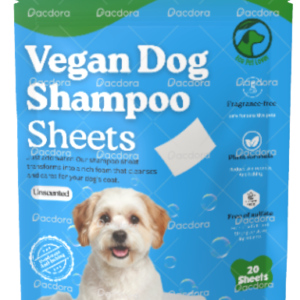
Washatail Vegan Dog Shampoo Sheets: Gentle, Green Grooming
For eco-conscious dog owners, Washatail’s Vegan Dog Shampoo Sheets offer a convenient, sustainable alternative to traditional liquids. These dissolvable sheets create a rich lather with water and deliver a thorough clean — without plastic bottles or heavy additives.
- Ultra-gentle & safe: Free from preservatives, SLS/SDS, parabens, phosphates, dyes and added bleach. Hypoallergenic, vegan-friendly, and pH-balanced. Formulated with Sodium Lauroyl Glutamate for mild yet effective cleansing, plus Tea Seed Extract to soothe dry, itchy, sensitive skin. Antibacterial and antipruritic for comfortable, calm skin.
- Concentrated power: High-activity, plant-based ingredients deliver 8× cleaning power, lifting oils, dirt and stubborn odours with a small amount of product — and rinsing away cleanly with no residue.
- Zero-waste credentials: 99% degradable in 7 days, plastic-free FSC biodegradable paper packaging, and fully compostable inner materials. No animal testing.
- Travel-friendly & tidy: Dry sheets mean no spills, no bulk, and easy portion control. Perfect for holidays, hikes and quick clean-ups on the go.
- Family-friendly: Safe around kids and pets, with plant-based, non-irritating ingredients and no harsh chemical smell.
Shop Washatail Vegan Dog Shampoo Sheets
Conclusion: Find the Right Balance for Your Dog
How often you should bathe a healthy dog depends on their coat type and lifestyle:
- Short coats: around once a month (or as needed)
- Double coats: 2–3 times per year (focus on brushing)
- Long or silky coats: every 2–4 weeks
- Curly coats: every 6–8 weeks
- Hairless or oily-skinned breeds: weekly to monthly, depending on need
Avoid over-bathing, which can dry skin and damage the coat. Use regular brushing, spot-cleaning and gentle, dog-specific products to keep your companion clean, comfortable and odour-free. When bath day arrives, use lukewarm water, offer treats and reassurance, and reach for a quality, eco-friendly shampoo such as Washatail Vegan Dog Shampoo Sheets for a thorough yet kind cleanse.
A healthy coat is a balance of cleanliness and natural oils. With the right schedule and the right products, your dog will look great, feel comfortable and enjoy bath time a little more — especially when it ends with extra cuddles.
FAQs
- How often should I bathe my puppy? From eight weeks old, puppies can have short, gentle baths. Keep them infrequent to protect delicate skin — focus on brushing and spot-cleans until adult coat develops.
- Can I use human shampoo on my dog? No. Human shampoos are too acidic for canine skin and can cause dryness and irritation. Always use a pH-balanced dog shampoo.
- My dog hates baths — any tips? Use lukewarm water, non-slip mats, calm praise and treats. Keep sessions short at first. Waterless shampoos and wipes can help between full baths.
- Do dogs need conditioner? Long-haired, silky or curly coats often benefit from a dog-safe conditioner to restore moisture and reduce tangles. Rinse thoroughly.
- How do I know if I’m bathing too often? Look for dryness, flaking, itchiness, redness or a dull coat. If you notice these signs, extend intervals and switch to a gentler, moisturising product.
- What about swimmers? Rinse with fresh water after pool or sea swims to remove chlorine or salt. Use a gentle dog shampoo if odour or residue persists.
- How can I reduce odour without more baths? Brush frequently, clean ears, rinse paws and undercarriage after muddy walks, and use dog-safe waterless shampoos or wipes between baths.
- Which breeds need the fewest baths? Many double-coated and especially white, double-coated breeds (e.g., Samoyed, Great Pyrenees) can thrive with just two to three baths per year when brushed regularly.
- Which breeds need the most frequent baths? Long-haired/silky and curly breeds typically need 2–8 week intervals depending on coat length and maintenance. Hairless dogs often need weekly care.
👉 Click to view: “10 Eco-Friendly Dog Grooming Hacks”
Subscribe to Our Newsletter & get Extra 5% discount
Want to get the latest updates on pet care? Then subscribe to our newsletter for fun tips, tutorials and much more, Plus 5% Extra discount code.